
Two visits to Hollycombe Steam in the Country — one filled with miniature engineering and fairground colour, the other celebrating a restored piece of railway history. Both brought me back to somewhere I've known since childhood.
Some projects feel more like a homecoming than a commission. Hollycombe Steam in the Country was exactly that.
In 2024, Hollycombe put out a call for help photographing its annual Mega Model Weekend. As soon as I saw it, I knew I wanted to be involved. Hollycombe holds a special place in my heart: it's somewhere I visited many times with my parents and grandparents, so stepping back onto the site brought a flood of memories.
Answering the call wasn't really a professional decision; it was personal. And it felt good to give something back to a place lovingly maintained by volunteers, enthusiasts and a community determined to keep its heritage alive for future generations.
Small machines, big personalities.
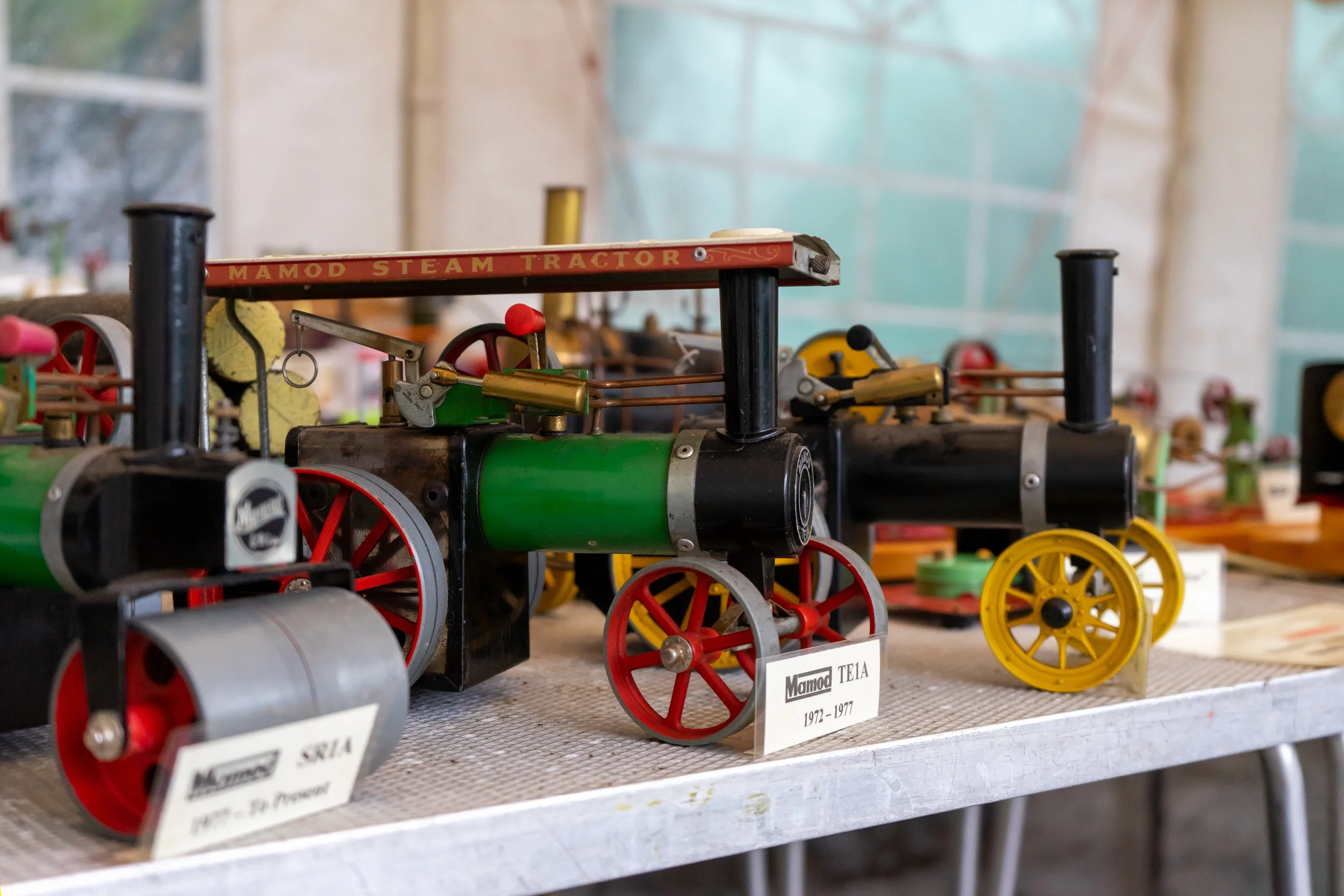
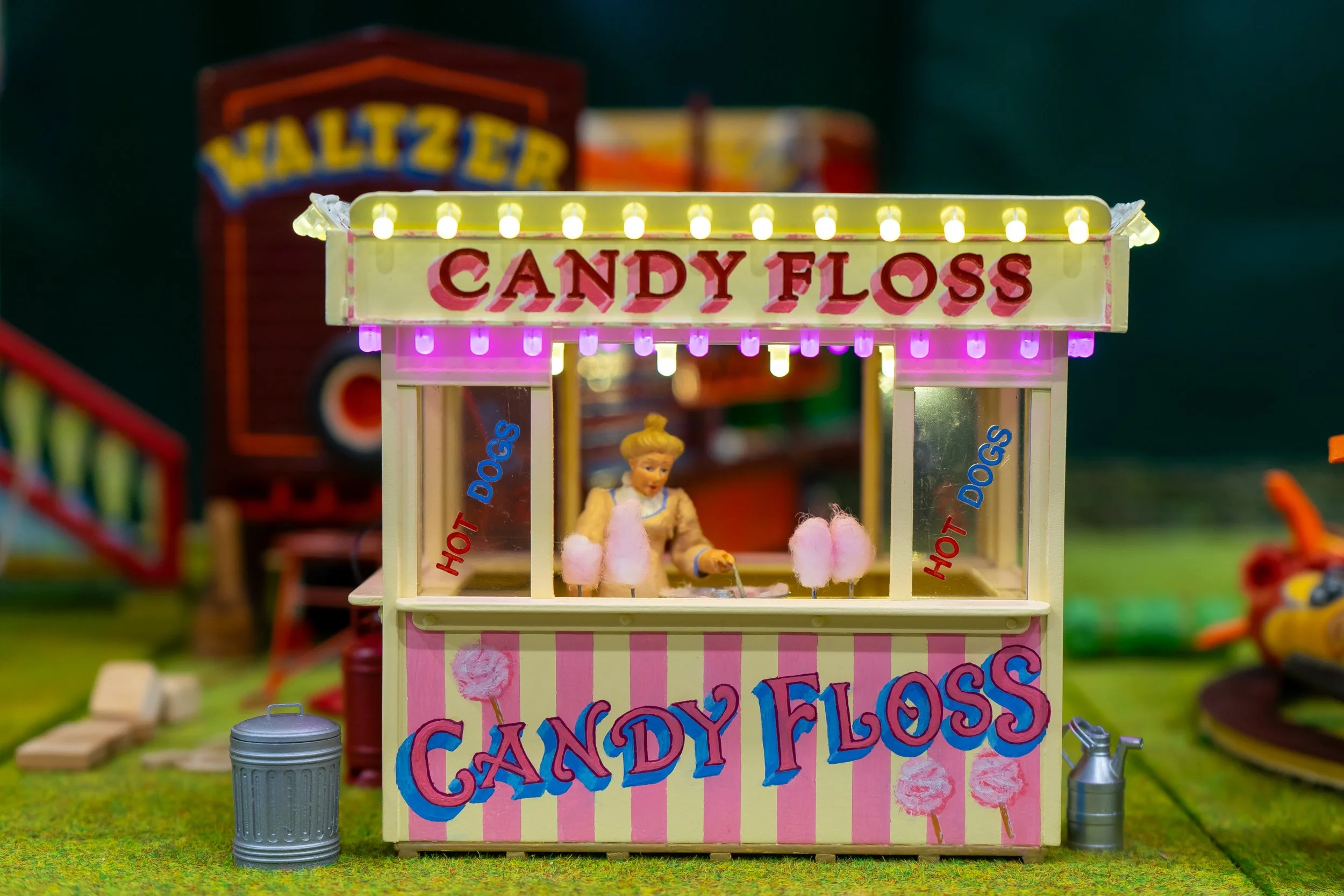
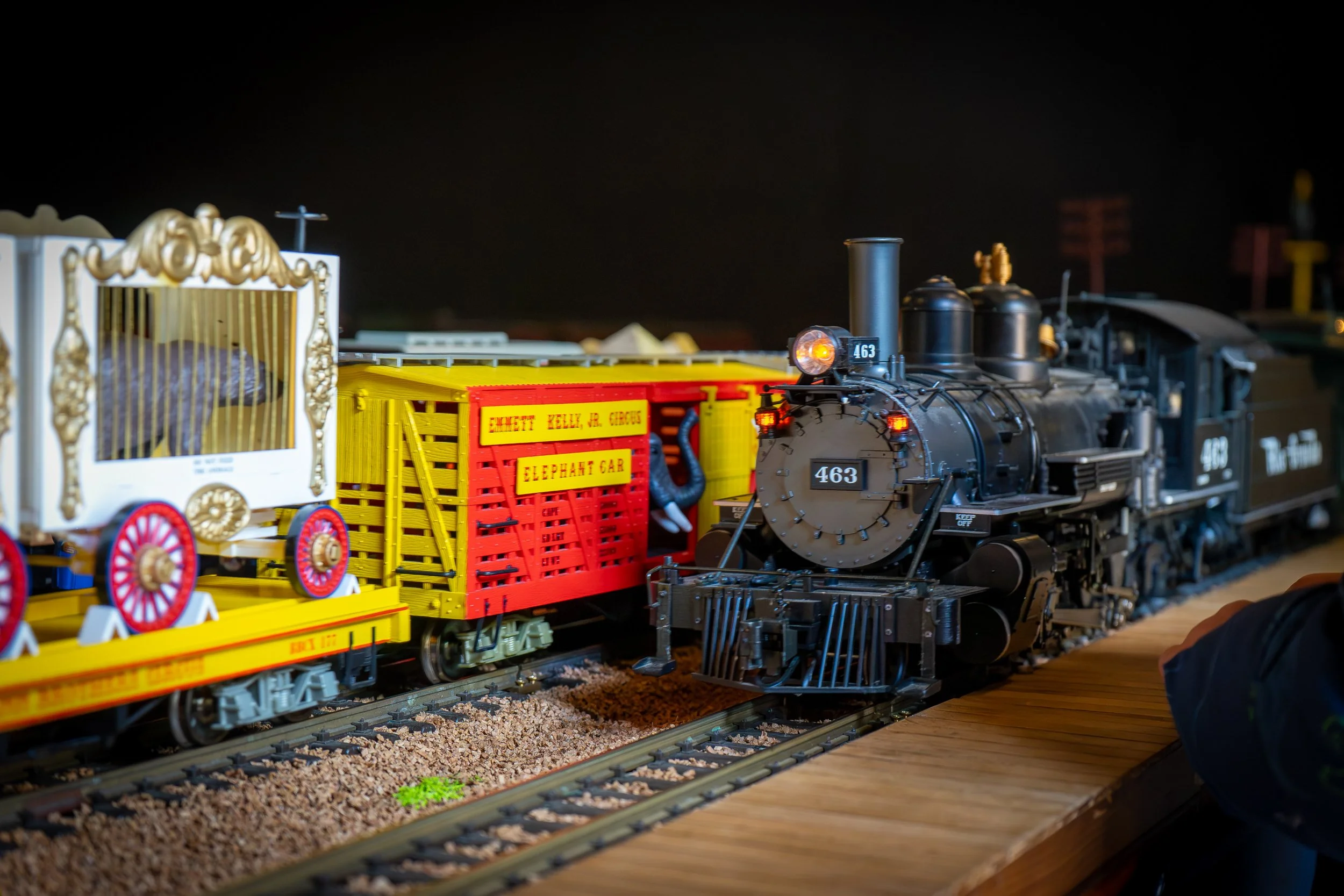
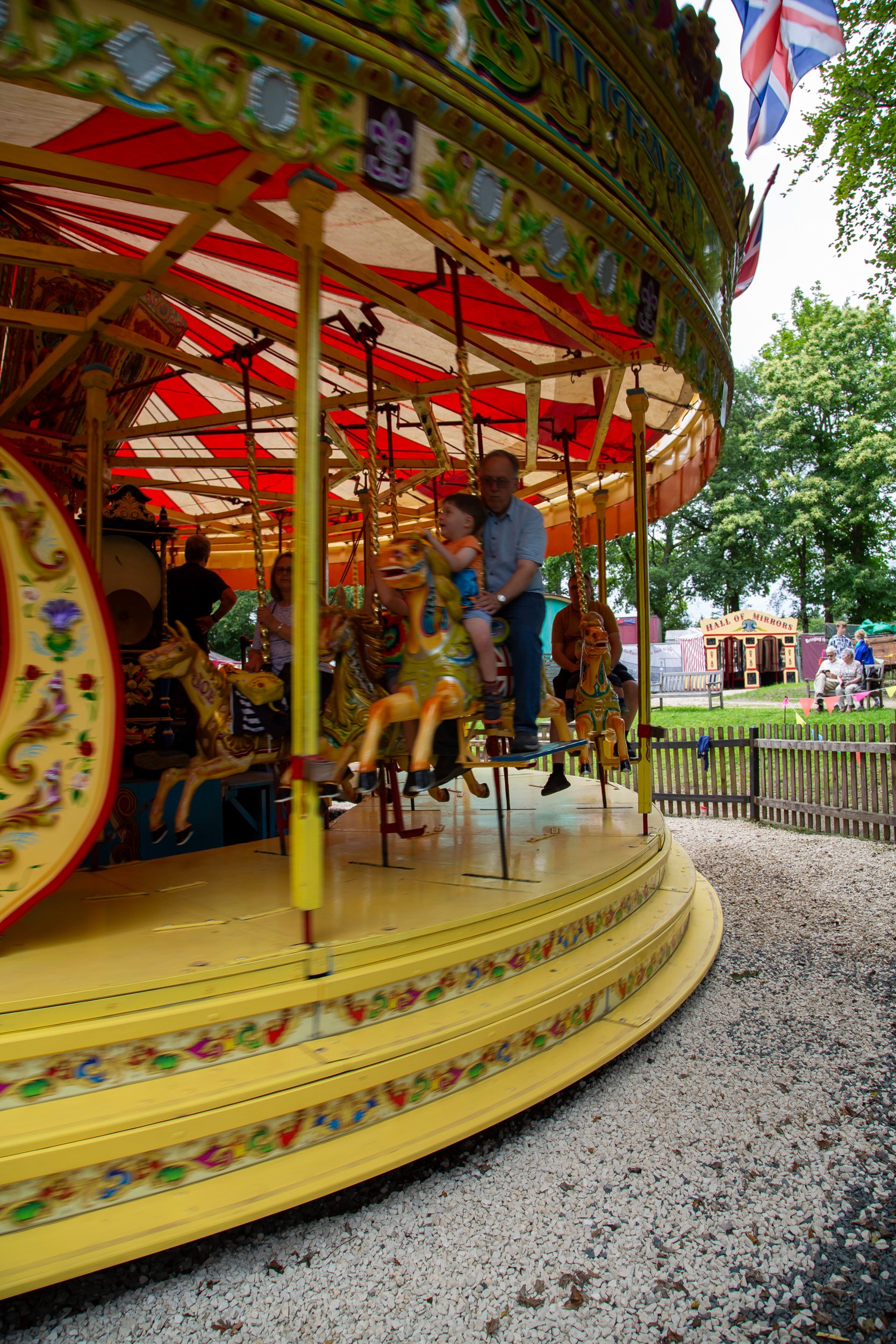
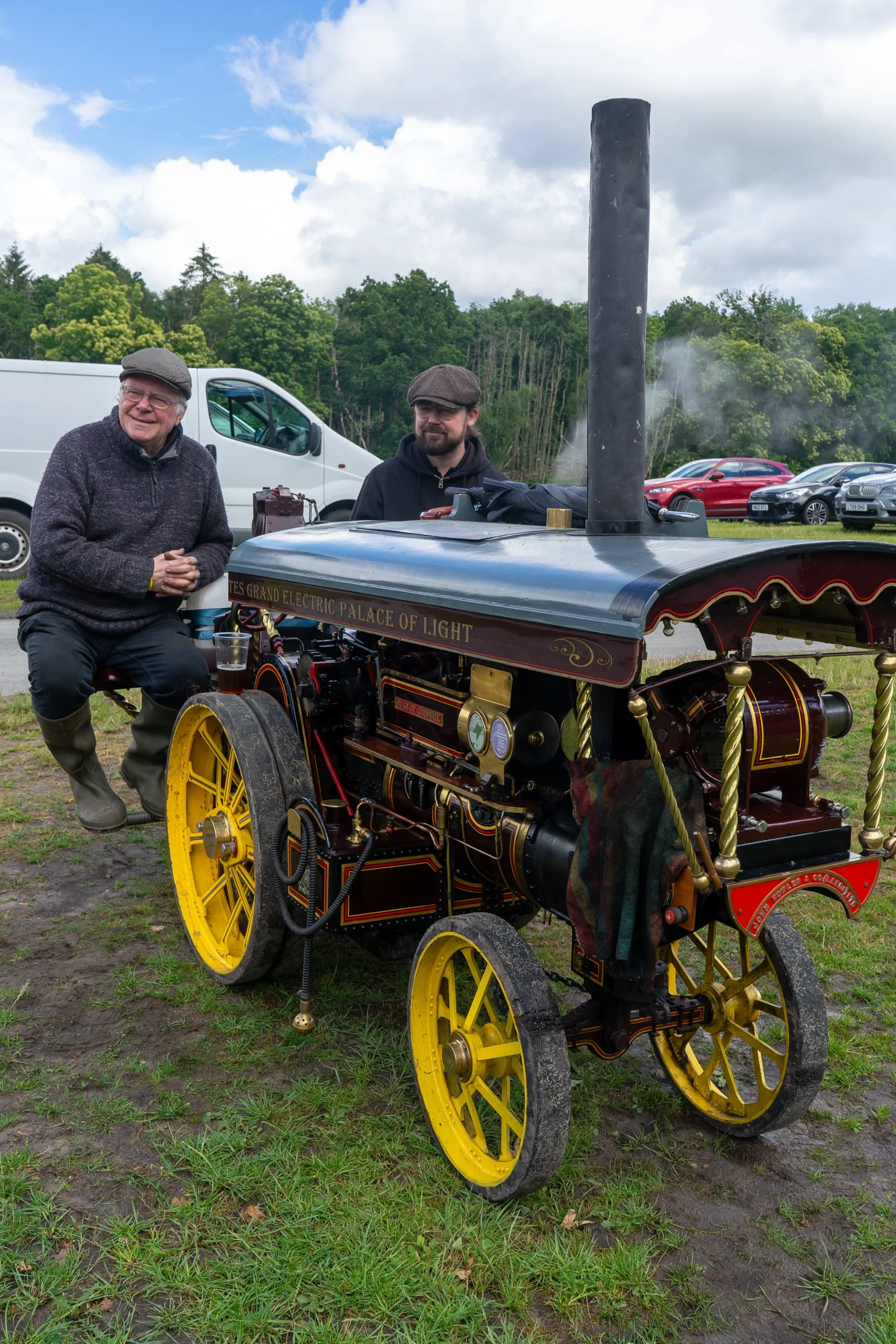
The Mega Model Weekend was a joy to photograph. Miniature working models of vintage fairground rides, traction engines and detailed railway layouts filled the grounds — an extraordinary mixture of engineering, craftsmanship and eccentricity.
What fascinated me most wasn't simply the machinery. It was the enthusiasm surrounding it. Owners talked about their models, visitors stopped to inspect the smallest details and everywhere there seemed to be another wonderfully characterful machine disappearing off under its own steam.
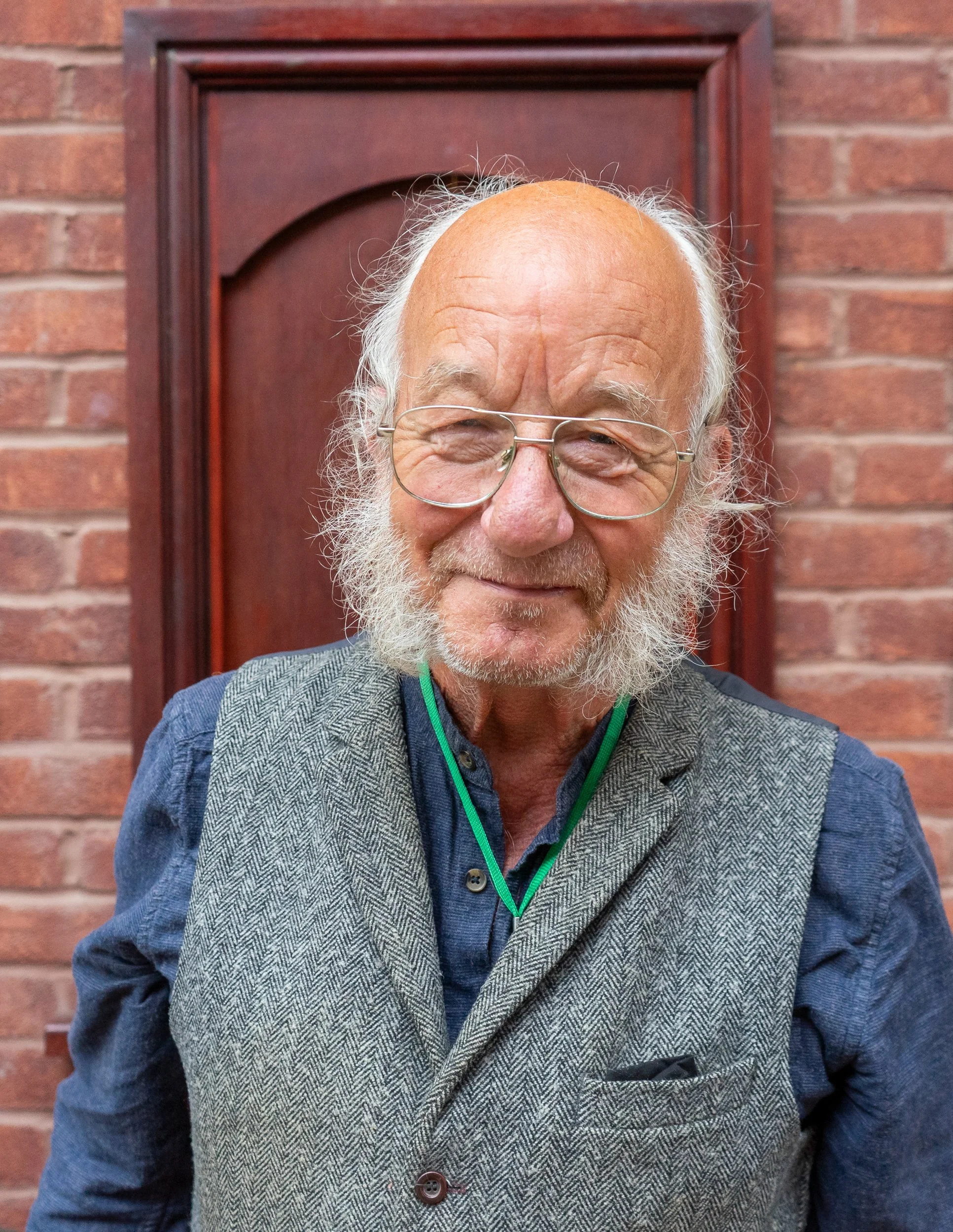
Photographing the weekend became as much about the people as the exhibits: looking for expressions, interactions and those little moments that give an event its personality.
Some places stay with you.
Hollycombe has been part of my own story for a long time. I remember visiting with my parents and grandparents, long before I ever imagined returning with cameras as a professional photographer.
That history inevitably changes the way you see a place through a lens. The steam, wood, oil, old signs and machinery aren't simply interesting subjects; they're triggers for memories.
Perhaps that's why photographing Hollycombe felt less like documenting an attraction and more like preserving a little piece of something familiar.
A signal box, restored
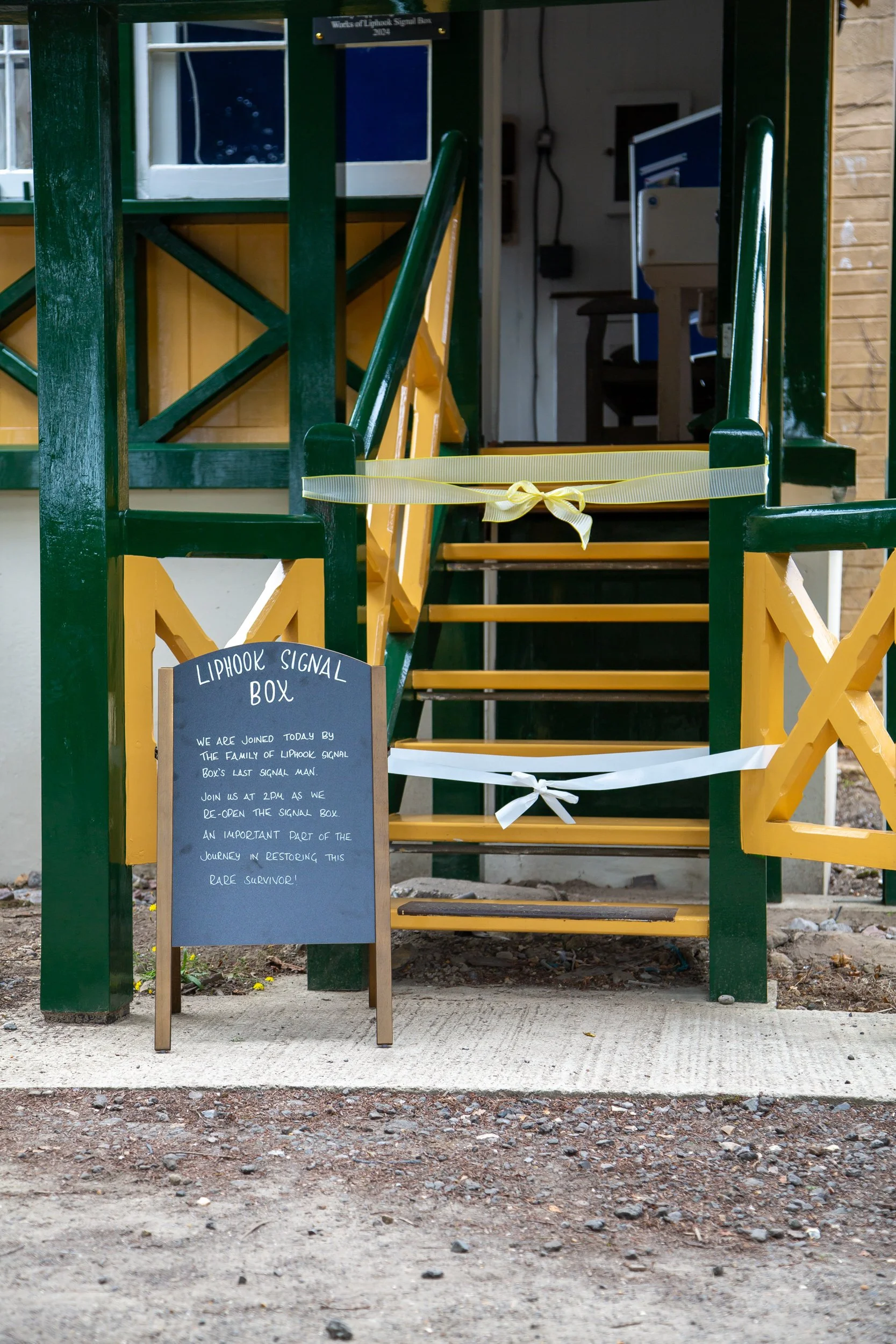
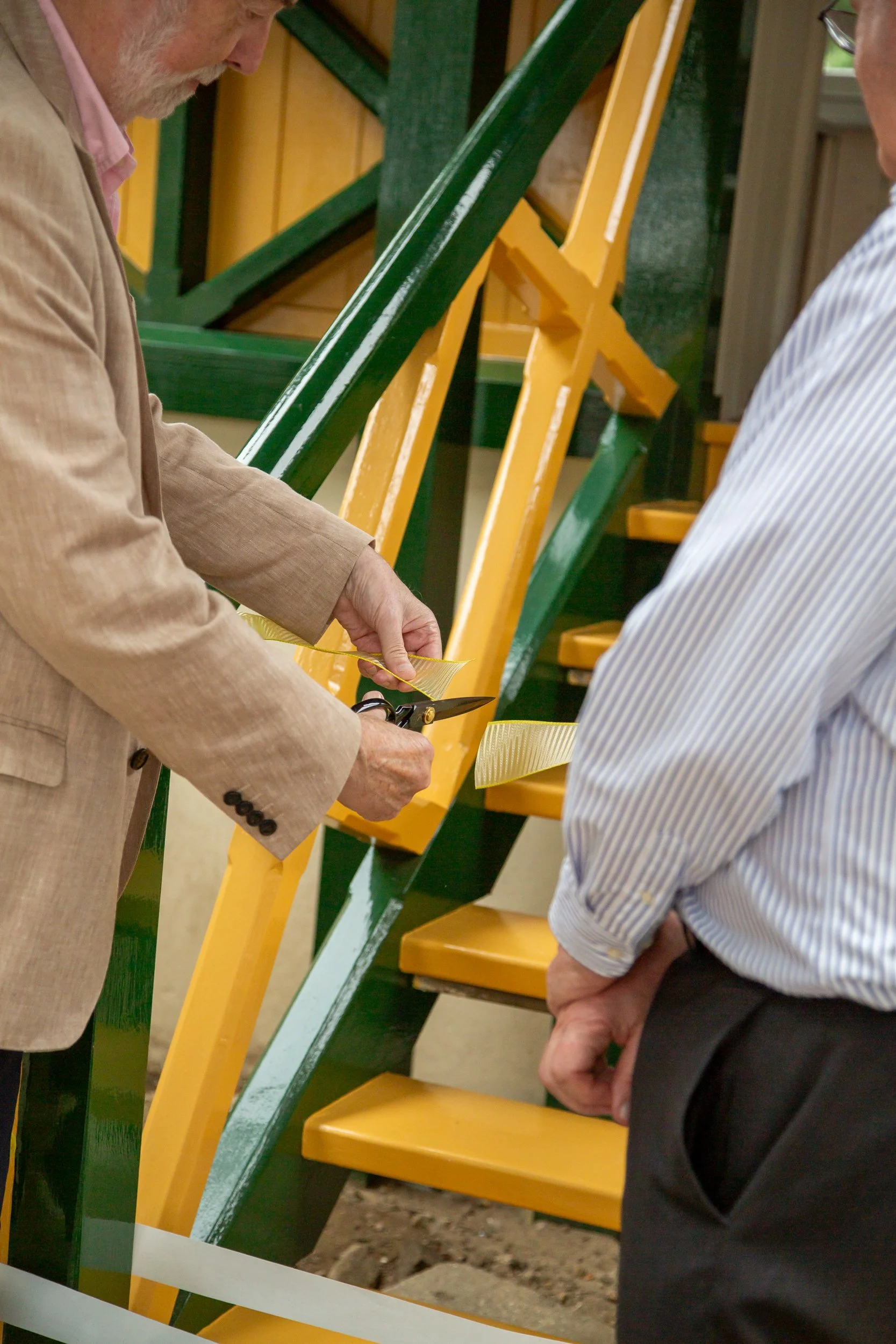
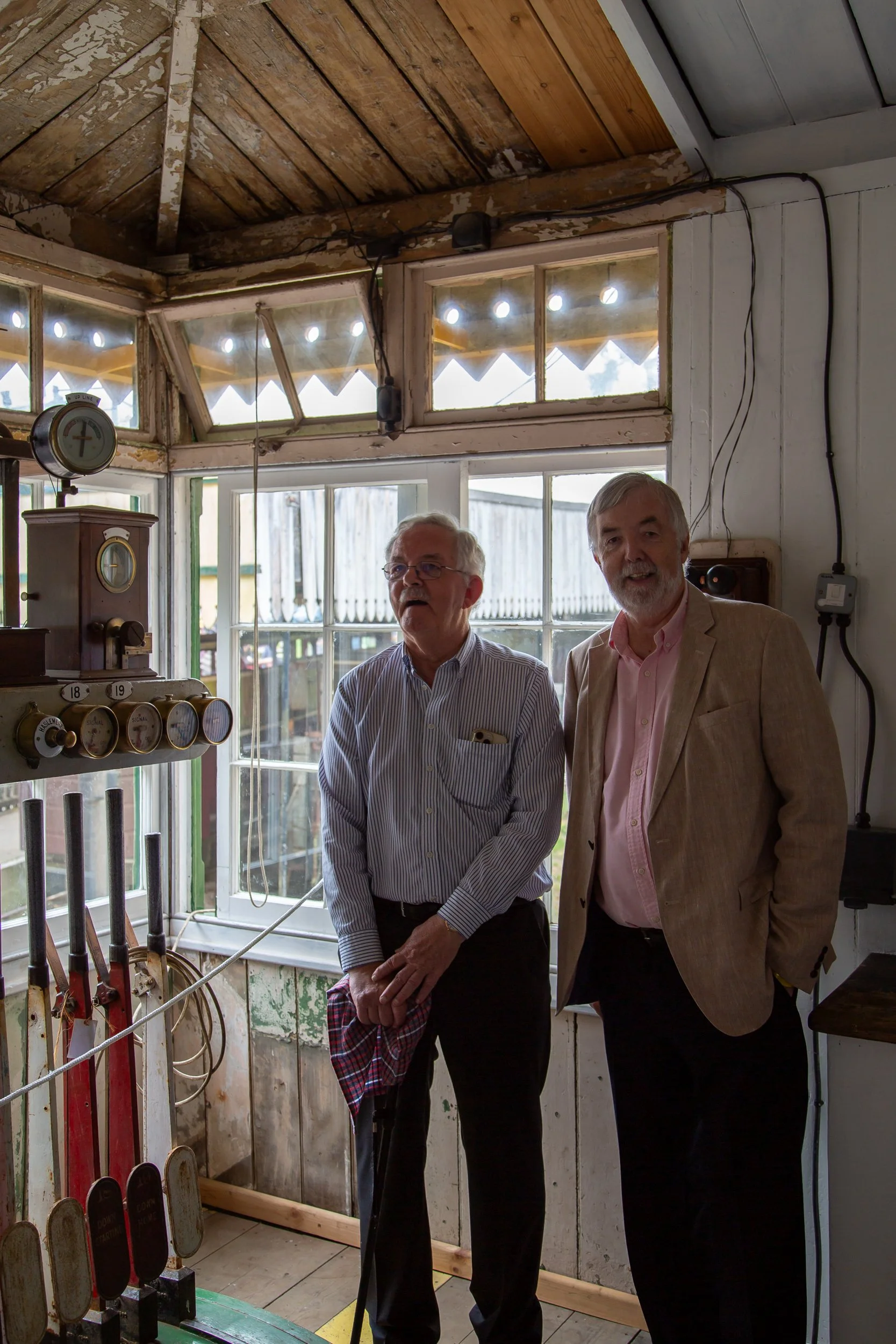
Later that year, Hollycombe invited me back for the opening of the restored Liphook Signal Box.
The little building is believed to be more than 100 years old and had been painstakingly restored by Hollycombe's volunteers, replacing windows, repainting the structure and repairing key elements of the frame.
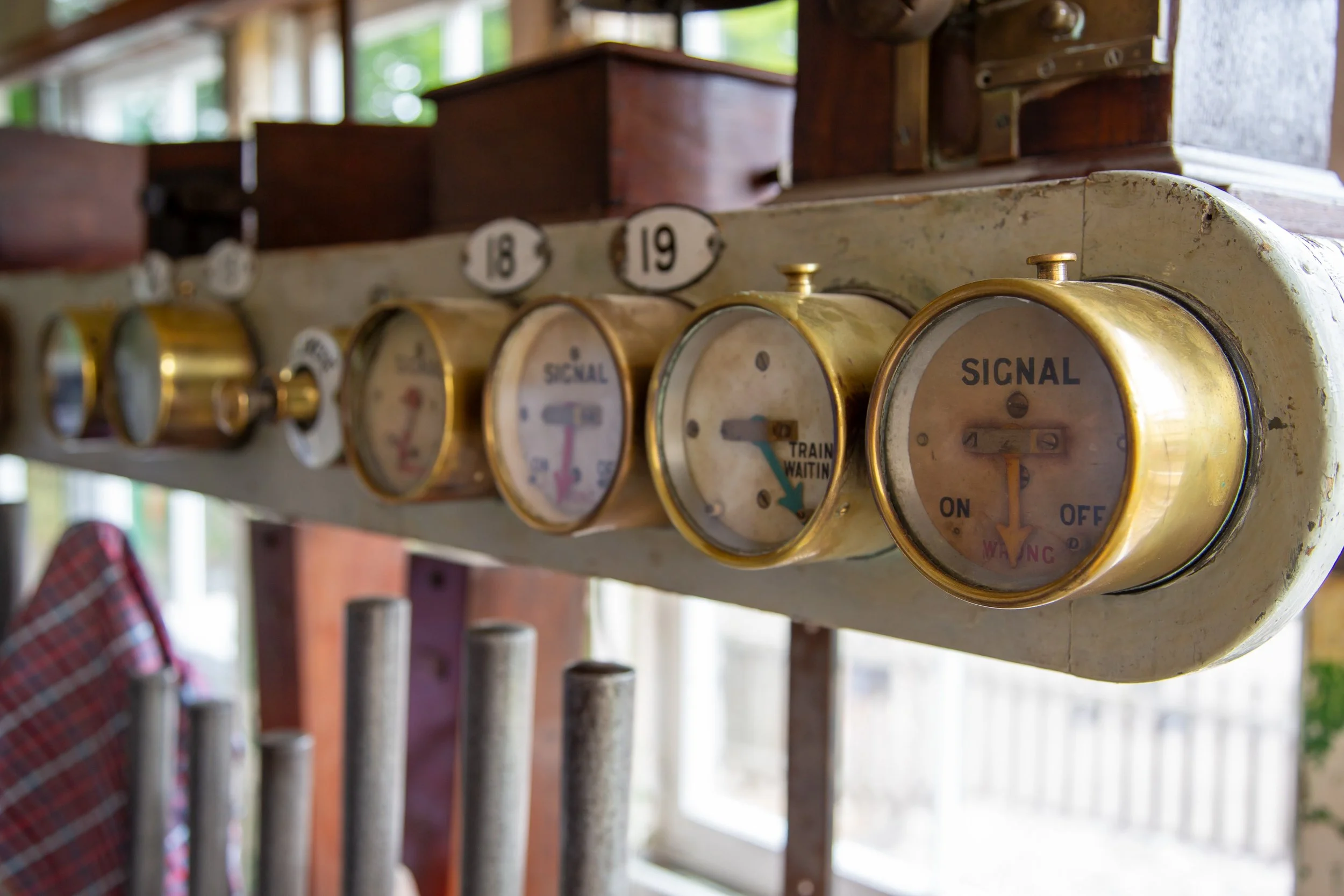
This was a much quieter assignment than the Mega Model Weekend. Rather than chasing movement and activity, I found myself looking at levers, labels, instruments, painted timber and the traces of railway history that remained inside.
The opening ceremony brought people back into the story, but it was those smaller details that gave the photographs their character.
“Helpful, talented and great to work with. Marlon captured the essence of our marvellous steam museum and gave us just what we needed for our marketing promotion. Highly recommend.”
Robert Gambril · Trustee, Hollycombe Steam In The Country
Keeping a little history in the frame.
Looking back at the two visits, they're very different sets of photographs. One is full of movement, colour and crowds; the other is quieter, concerned with details, restoration and ceremony.
What connects them is the people behind Hollycombe — volunteers and enthusiasts giving their time to preserve machinery, buildings and stories that might otherwise disappear.
Photography plays its own small part in that. It records how these places look, certainly, but also something of how they feel at a particular moment in their history.
For somewhere that has been part of my own memories for so long, being invited to help tell that story felt rather special.
